
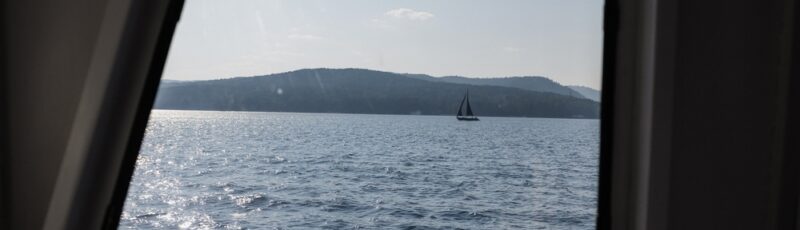
Boat Window and Marine Glass Replacement in Anchorage: Protecting Your Vessel from Alaska’s Extreme Weather and Salt Exposure
Boat windows in Southcentral Alaska face conditions that are difficult to compare with those in warmer, calmer boating regions. Cold temperatures, wind-driven moisture, salt exposure, rough water, and repeated seasonal temperature changes can all take a toll on marine glass, seals, frames, and surrounding hardware.
For boat owners in Anchorage, damaged or leaking marine glass is more than a cosmetic problem. A window that no longer seals properly can allow moisture into the cabin, reduce visibility, and expose interior materials to additional weather damage.
Quick answer: Boat window and marine glass replacement is appropriate when glass is cracked, badly damaged, no longer secure in its frame, or surrounded by seals that can no longer keep water out. Around Cook Inlet, replacement materials and installation methods also need to account for cold temperatures, vibration, moisture, salt exposure, and demanding marine conditions.
What local boat owners should know
-
Small cracks, chips, loose seals, and recurring leaks should be inspected before they become larger problems.
-
Boats operating around Cook Inlet, Knik Arm, and Turnagain Arm encounter a demanding combination of cold water, wind, spray, and changing conditions.
-
Corrosion around frames or hardware can be just as important to investigate as visible damage to the glass.
-
Seasonal inspections are especially useful before spring launching and before winter storage.
-
Marine windows should be evaluated as complete assemblies, including the glass, frame, seal, and mounting condition.
Why Does Marine Glass Condition Matter So Much in Anchorage?
Marine glass condition matters in Anchorage because local vessels operate in a cold, highly dynamic coastal environment where windows help protect occupants and interiors from wind, spray, moisture, and rapidly changing conditions. Damage that might initially appear minor can become more troublesome when combined with vibration, cold temperatures, and continued exposure.
Cook Inlet shapes much of the area’s boating environment, with Knik Arm extending along the western side of the Anchorage area and Turnagain Arm to the south. NOAA maintains specialized Cook Inlet forecasting resources for water levels, winds, currents, temperature, and salinity because these conditions matter to local maritime activity.
Replacement Glass helps area boat owners address damaged marine windows and glass. When we evaluate marine glass, the goal is not simply to focus on the visible pane. The surrounding frame, seal, mounting area, and evidence of water intrusion also deserve attention.
What Do Local Marine Conditions Tell Anchorage Boat Owners?
Local marine data show that Cook Inlet is an unusually active tidal environment, making durable vessel components especially important for boaters who regularly use these waters. NOAA describes Cook Inlet as a cold-water tidal estuary, while its operational forecast system tracks water levels, currents, wind, water temperature, and salinity throughout the region.
NOAA data also illustrate the magnitude of local tidal changes. Historical NOAA information identifies an average diurnal tidal range of about 33 feet at Anchorage, while a NOAA station at nearby Fire Island lists a diurnal range of 26.91 feet.
Those numbers do not directly predict marine glass failure. They do, however, help illustrate why local vessels operate in an environment where strong currents, changing water levels, cold water, spray, and weather exposure deserve serious consideration.
How Can Damaged Boat Windows Affect a Vessel?
Damaged boat windows can affect visibility, weather protection, interior dryness, and the overall condition of a vessel. In Anchorage’s marine environment, a failed seal or damaged pane may become particularly noticeable during cold, wet, or windy conditions.
Moisture entering around a window can reach trim, interior surfaces, fasteners, and nearby materials. Salt residue and persistent dampness can also contribute to deterioration around compatible metal components and hardware.
Visibility matters as well. Scratched, fogged, cracked, or otherwise deteriorated glazing can make it harder to see clearly through a windshield or cabin window, particularly when glare, precipitation, spray, or low-light conditions are already affecting visibility.
What Are the Warning Signs of Marine Glass Problems?
Marine glass problems commonly reveal themselves through visible damage, water intrusion, movement, or deterioration around the window assembly. Anchorage boat owners should inspect windows carefully after rough use, during seasonal maintenance, and whenever unexplained moisture appears inside the vessel.
Watch for:
-
Cracks, chips, or spreading damage in the glazing
-
Water appearing around the window after rain or spray exposure
-
Loose or deteriorated seals
-
A window that shifts or moves within its frame
-
Corrosion or deterioration around surrounding hardware
-
Persistent fogging or cloudiness that interferes with visibility
-
Staining, dampness, or deterioration on interior surfaces below the window
-
New rattling or vibration around the window assembly
A visible crack deserves prompt attention, but recurring water intrusion without obvious glass damage should not be dismissed. The problem may involve the seal, frame, mounting surface, or another part of the assembly.
When Should You Call a Marine Glass Professional?
You should call a marine glass professional when the glass is cracked, the window is loose, water intrusion continues, or the source of the problem cannot be confidently identified. Professional evaluation is also appropriate when replacement requires removing framed or bonded glazing without damaging the surrounding vessel structure.
Boat owners can safely perform basic visual checks. Look for cracking, damaged seals, corrosion, loose components, and signs of moisture around the inside perimeter.
DIY work should stop when removing or reinstalling the window could compromise fit, sealing, or surrounding materials. Alaska’s boating conditions make a properly fitted and sealed finished assembly particularly valuable.
What Commonly Causes Boat Window Damage Around Anchorage?
Common causes of boat window problems around Anchorage include physical impact, vibration, deteriorated sealing materials, moisture exposure, corrosion around adjacent components, and seasonal temperature changes. More than one factor can contribute to the same failure.
1. Impact and physical damage: Debris, equipment, accidental contact, and other impacts can chip or crack glazing.
2. Vibration and movement: Repeated operation in rough water can place stress on window assemblies, particularly where seals, frames, or mounting components are already deteriorating.
3. Aging seals: Flexible sealing materials can lose effectiveness with age and environmental exposure, eventually allowing moisture to enter.
4. Salt and moisture exposure: Boats operating in Cook Inlet can encounter saltwater and marine moisture that remain around frames, hardware, and seams.
5. Cold-weather cycling: Repeated temperature changes can place additional stress on materials that expand and contract at different rates.
How Can Anchorage Boat Owners Maintain Marine Windows?
Anchorage boat owners can maintain marine windows by cleaning away salt and grime, inspecting seals and frames, addressing small defects early, and including glass in both spring commissioning and winterization routines. Consistent inspections are especially useful for vessels exposed regularly to Cook Inlet conditions.
Rinse accumulated salt and marine residue from glass, frames, and nearby surfaces using methods appropriate for the vessel’s materials. Avoid aggressive tools that could scratch glazing or damage seals.
Before the boating season, inspect every window from both inside and outside. After the vessel has been exposed to rain or spray, check the interior perimeter for moisture.
Before winter storage, look again for cracking, loose seals, and existing leaks. Problems discovered before prolonged storage are easier to identify than unexplained moisture damage discovered months later.
What Results Should You Expect From Marine Glass Replacement?
Marine glass replacement should restore a properly fitted window assembly, improve protection from weather intrusion, and address visibility problems caused by damaged glazing. The exact result depends on the window design, frame condition, surrounding structure, and cause of the original failure.
Replacement also provides an opportunity to examine the opening and surrounding components for issues that may not have been obvious while the old glazing was installed.
A new pane alone cannot correct every marine window problem. If the frame, mounting area, or another component is compromised, those conditions need to be identified as part of determining the appropriate solution.
What Mistakes Should Anchorage Boat Owners Avoid?
The biggest mistake is treating every boat-window problem as a simple piece-of-glass replacement, because the surrounding seal and frame can be part of the failure. A better approach is to consider the entire window assembly before deciding what needs to be repaired or replaced.
Mistake: Ignoring a small crack.
Consequence: Vibration, impact, and temperature changes may allow existing damage to worsen.
Better approach: Have damaged glazing evaluated before another demanding trip.
Mistake: Repeatedly sealing over a leak without finding its source.
Consequence: Water intrusion may continue behind trim or around the frame.
Better approach: Determine whether the glass, seal, frame, or mounting area is responsible.
Mistake: Forgetting about salt residue.
Consequence: Marine residue can remain around frames and hardware.
Better approach: Include windows and surrounding components in routine freshwater cleaning where appropriate.
What Is a Common Local Boat-Window Scenario?
A common Anchorage-area scenario is a boat owner discovering moisture below a cabin window after a season of use, even though the glass itself does not appear badly damaged. The owner may initially assume that applying more sealant around the visible edge will solve the problem.
A closer inspection may show that the issue involves aging sealing material, frame condition, or movement around the window assembly. This is a common local scenario, not a specific Replacement Glass customer case.
The lesson is straightforward: where water appears is not always where water enters.
What Marine Glass Services Can Address These Problems?
Marine glass services can address cracked or damaged boat windows and other glazing problems when replacement is the appropriate solution. The correct approach depends on the vessel, glazing type, opening, frame condition, and extent of damage.
We can evaluate the damaged area and help determine what is needed for the window rather than assuming every problem has the same solution.
Should You Repair or Replace a Damaged Boat Window?
Whether you should repair or replace a damaged boat window depends on the type of glazing, extent and location of the damage, seal condition, and integrity of the surrounding assembly. A superficial issue may require a different response than cracked glazing, persistent leakage, or a window that no longer sits securely.
For local boat owners, a temporary patch may help control an immediate leak in some circumstances, but it should not automatically be considered a permanent repair. Replacement becomes more relevant when the glazing itself is compromised or when restoring a secure, weather-resistant assembly requires removing the existing window.
Where Do Local Marine Glass Needs Occur?
Marine glass needs occur throughout Anchorage and surrounding Southcentral Alaska boating areas, particularly for vessels associated with Cook Inlet, Knik Arm, Turnagain Arm, Fire Island, and nearby coastal waters. Local owners may also trailer or move boats between Anchorage and communities such as Eagle River, Girdwood, and other Southcentral locations.
The vessel’s operating environment matters more than where it is parked when the problem is discovered.
What Can Happen If You Ignore Damaged Marine Glass?
Ignoring damaged marine glass can allow cracks, leaks, visibility problems, and deterioration around the window assembly to continue. In Anchorage, waiting can be particularly inconvenient if the problem becomes obvious during a short boating season or immediately before a planned trip.
Water intrusion may also affect materials beyond the glass itself. Addressing a developing problem earlier gives the owner an opportunity to identify the source before repeated moisture exposure creates additional concerns.
FAQ
How do I know if my boat window needs replacement in Anchorage?
A boat window may need replacement if the glazing is cracked, badly damaged, loose, leaking, or no longer providing acceptable visibility. In Anchorage, also inspect the surrounding seals and frames because cold temperatures, moisture, vibration, and marine exposure can contribute to problems beyond the visible glass.
Does saltwater exposure damage boat windows around Cook Inlet?
Saltwater exposure can affect the overall window assembly even when the glazing itself is relatively resistant. Salt residue and moisture can remain around frames, fasteners, seals, and nearby components. Cook Inlet boat owners should routinely clean and inspect these areas for corrosion, deterioration, and evidence of leakage.
Can Alaska’s cold temperatures affect marine window seals?
Cold temperatures can affect flexible sealing materials and contribute to the stresses created by repeated expansion and contraction of different materials. Anchorage boat owners should inspect seals during spring commissioning and before winter storage, especially if a window has begun leaking, rattling, or showing movement within its frame.
Should I replace a cracked boat window before winter storage in Anchorage?
A cracked boat window should generally be evaluated before winter storage so you understand the extent of the problem and whether the vessel is adequately protected. Leaving damaged glazing or an active leak unaddressed can allow moisture to remain an issue while the boat is stored through Anchorage’s colder months.
Why is my boat window leaking even though the glass is not cracked?
A boat window can leak because the problem may be in the seal, frame, mounting area, or another joint rather than the glass itself. Around Cook Inlet, repeated moisture exposure and vessel movement make it worthwhile to trace the source rather than repeatedly applying sealant to the most visible seam.
How often should I inspect marine windows on an Alaska boat?
Marine windows should be checked as part of regular vessel maintenance and particularly before launching, after demanding use, and before winter storage. Boats frequently exposed to saltwater, rough conditions, or long periods outdoors may benefit from more frequent visual checks of glazing, seals, frames, and interior areas for moisture.
Are Cook Inlet conditions unusually demanding for boats?
Cook Inlet is a highly dynamic marine environment with substantial tidal changes, currents, cold water, wind, and variable conditions. NOAA maintains a dedicated Cook Inlet Operational Forecast System that tracks water levels, winds, currents, temperature, and salinity, reflecting the importance of these conditions to mariners in Southcentral Alaska.
Can I seal a leaking marine window myself?
You can inspect and clean a leaking window yourself, but adding sealant without identifying the leak source may not solve the underlying problem. If the window is loose, cracked, repeatedly leaking, or requires removal, professional evaluation can help determine whether the glazing, seal, frame, or mounting area needs attention.
Protect Your Vessel for Southcentral Alaska Conditions
Marine windows are part of the barrier between your boat’s interior and the demanding conditions found around Anchorage and Cook Inlet. Regular inspections and timely attention to cracks, leaks, damaged seals, and frame deterioration can help keep problems manageable.
We can help you evaluate damaged marine glass and determine an appropriate replacement approach for your vessel.
Get Your Boat Window Ready for Alaska Waters
Protecting clear visibility and a weather-resistant cabin starts with addressing damaged marine glass before the next trip.
Categorised in: Window Replacement